A series of articles written by SCCO Student Ambassadors.
Tips for Building a Successful Pre-Optometry Organization
by SCCO Student Ambassador, Jacqueline Snegg

Taking on a leadership position in a pre-optometry society at an undergraduate institution can be a highly rewarding experience. For me, it was the best way to research the schooling associated with the profession of optometry and a wonderful way to connect with peers who share similar goals and interests. Most importantly, it validated my desire to pursue a career in optometry.
In this article, I offer tips for updating a pre-optometry organization so it can best serve the modern undergraduate student. I will include methods of gaining and retaining members and the benefit of outreach to other pre-health organizations. I hope these ideas will inspire pre-optometry club leaders to initiate positive change in their organizations.
First and foremost, it is important for leaders to adapt their organization to changing times. I realized how critical this is while serving as the California State University Fullerton tEYEtanspre-optometry club president during the COVID-19 pandemic. As president, I chose to adapt and curate a virtual presence that would foster a sense of community from home when the school abruptly switched to an entirely online format.
I began by learning how to facilitate Zoom meetings and rebranding our social media accounts with new, interactive content. As many students now know, online meetings can be even more accessible to those who commute, work, and have a heavy academic workload. Adding variety to meeting content can further enrich the club, so students have something to look forward to. For our club, the executive board scheduled meetings every other week of the semester, excluding midterms and finals.
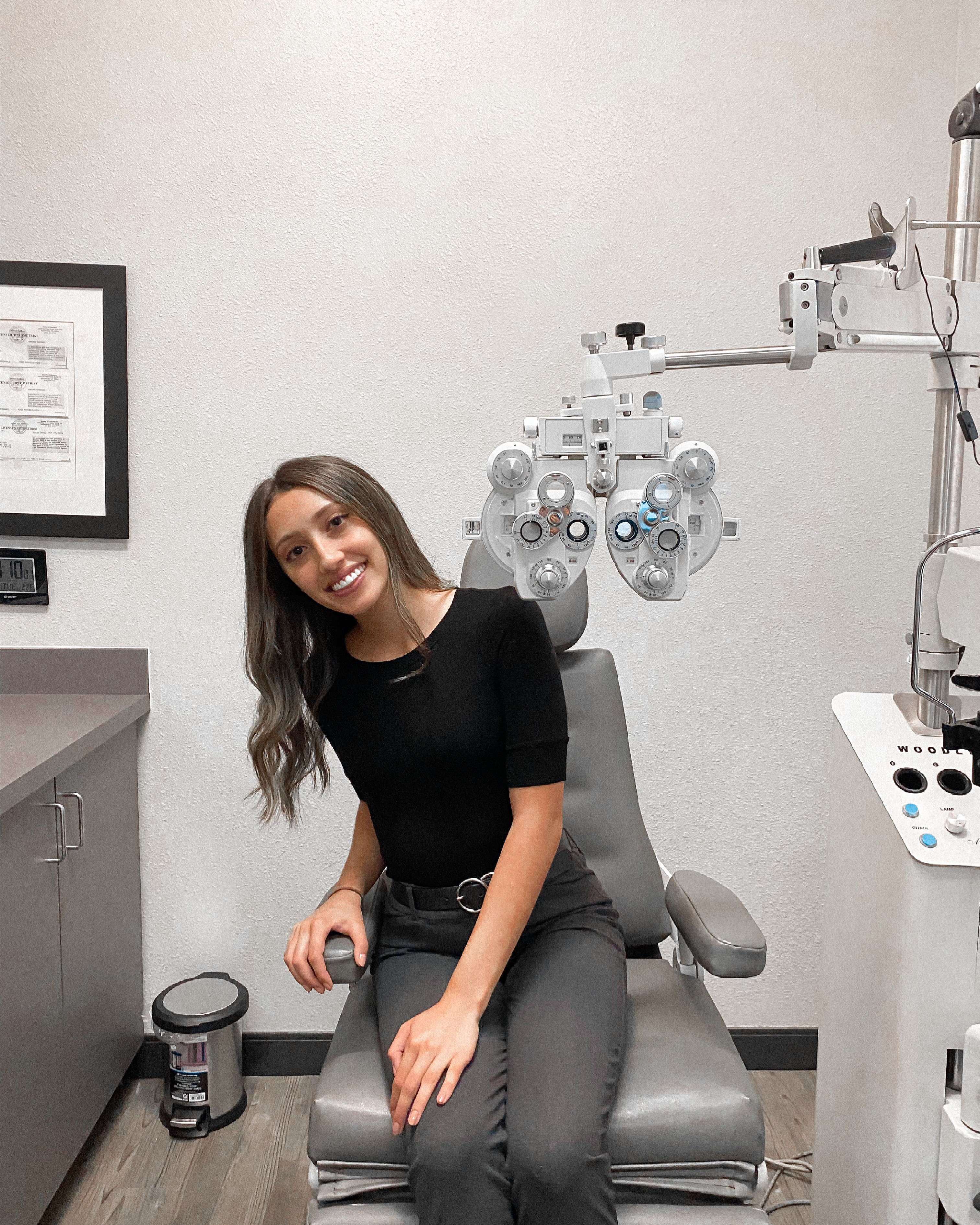
While online, we invited and hosted various guest speakers, including optometry school admissions representatives and optometrists who discussed private practice ownership. This also opened up shadowing opportunities for me. My greatest club achievement was arranging a student panel featuring four tEYEtans alumni, each attending a different optometry school.
Cultivating a supportive environment where past members were able to offer advice and mentorship was a valuable and “eye-opening” experience for several of our tEYEtans pre-optometry club members. Other successful events worth mentioning were collaborations with OAT prep companies and overviews of the OptomCAS application layout. My experience leading the club taught me to be flexible, make use of resources, and be willing to learn new skills. The increased efforts pay off!
In terms of growing your club by attracting new members and retaining current members, my biggest piece of advice is to be inclusive. Reaching out to as many students as possible is crucial. Participate in campus club rush events and promote your organization to classmates! In several of my prerequisite courses for optometry school, such as biology, chemistry, and physics, I asked professors for an opportunity to speak to the class about the pre-optometry club at the beginning or end of lectures. Support from faculty members helped raise greater awareness about the club, and many classmates became members.
Another way to grow and increase interest in the club is to connect your organization with other pre-optometry societies within your area or region. This includes private schools, UC schools, California State schools, and community colleges. I extended my organization’s Zoom meeting invites to other nearby pre-optometry societies so all interested students could attend. Even online, we were forming new friendships. There is no greater satisfaction than to encourage collaboration and networking among students who will likely become future classmates and colleagues. This year, at SCCO orientation week, I realized a handful of my classmates were students I already befriended through collaborative Zooms with other optometry societies!

My last piece of advice to pre-optometry club leaders is to make this experience FUN! Providing incentives will encourage members to attend meetings and actively participate. If you collect membership dues, give back! Raffling off a five-dollar gift card to a popular coffee shop or a ten-dollar gift card to Amazon can make a huge difference. The tEYEtans also held a raffle for a discount on an OAT test prep package.
Aside from rewards, hosting themed meetings that vary by season can make club events feel more welcoming and lighthearted and will keep members interested and active even after long days of lab and lecture. Other events for your club to host include road trips for optometry school campus tours, visits to lens labs, or vision therapy demonstrations. These activities are not only informative but will also build camaraderie between club members.
I hope this inspires anyone leading a pre-optometry organization or motivates someone to take on the job! I wish you well as you develop your leadership abilities, discuss optometry careers with your peers, and prepare to submit applications to optometry schools.
Click here to read Jacqueline’s bio and meet other Student Ambassadors at Ketchum.edu.
Categories: Student Ambassador Blog Articles

 Optometry Admissions Blog