A series of articles written by SCCO Student Ambassadors.
How to Make the Most of Working at a Private Practice
by SCCO Student Ambassador, Isabel Hui

Before deciding that optometry was for me, I realized my original pursuits of biotech/research did not offer the potential for direct care I had hoped for. Since I didn’t know what patient care truly looked like outside of an academic setting, I got in contact with an optometrist who took me under her wing during my undergrad. Being a part of this private practice clinic was not only pivotal in shaping my love for optometry, but it also equipped me to learn how to effectively care for patients beyond what goes on in the exam room. Whether you are unsure if optometry is for you, or you’re ready to pursue this amazing field, here are my tips for making the most of working at a private practice clinic.
Take the initiative to learn. At Westview Optometry, Dr. Wang would always say that “the best way to swim is to jump into the ocean.” While it is daunting to start a new job or shadow in an unfamiliar space, my first advice is to take initiative in your learning and take advantage of the exposure you have with the optometrist and patients there. This could look like familiarizing yourself with common procedures that the optometrist performs (such as dilations, glasses orders, contact lens fitting, etc.) or asking questions about unique patient cases. Don’t be afraid to ask and learn! Having an amazing learning opportunity to shadow and work alongside an optometrist will benefit you in the long run. Inevitably, this will also get you to start thinking about the importance of personalized care and why the optometrist does the things that they do with each patient.
Learn how to interact and develop a relationship with patients. When I first started as an optometric assistant, I didn’t have the confidence to talk to patients and assumed that patient care was solely the optometrist’s responsibility. This was a huge misunderstanding on my part, and I quickly learned the value of understanding the patient’s perspective. At the practice I worked for, nicknames and hobbies were meticulously collected in every patient file, emphasizing the uniqueness of each person who came in for an exam. Getting to know the individual who walks in the door will not only make your job much easier when helping patients, but it can also change the dynamic of a frustrated patient when they have a chance to interact with you. (An example of this would be helping a patient with glasses but taking into consideration their hobbies, likes/dislikes, and primary use to suggest certain frames or AR coatings.) Tiny details like these will show the patient that you care and grow your skills in patient interaction as a future optometrist.
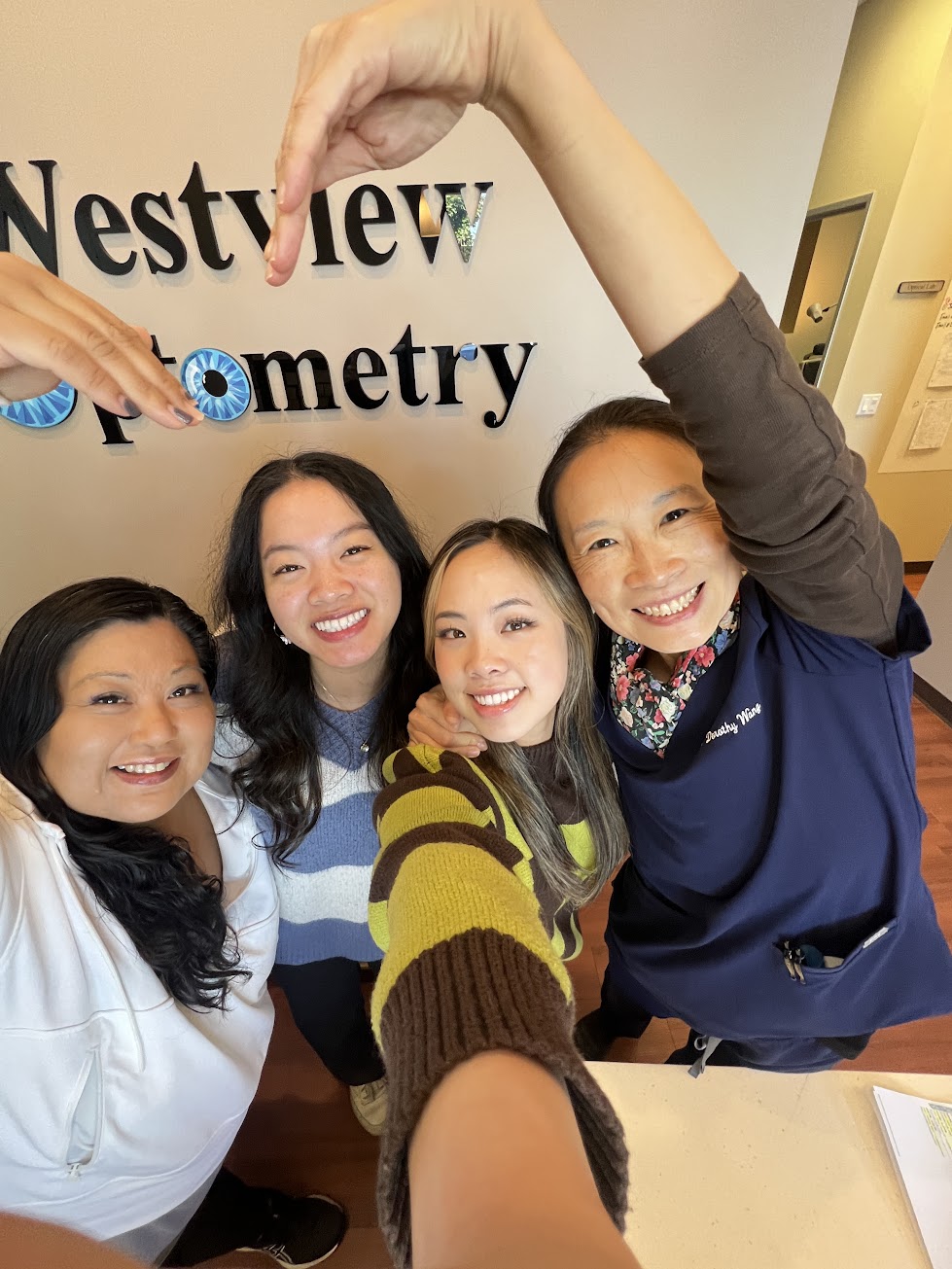
Go above and beyond. My last tip for making the most out of your private practice experience is to go above and beyond during your time there. I know it can be hard to balance school, work, and everything else in between, but the skills that you develop in a private practice setting will be helpful if you consider starting your own practice one day, or even just talking to patients. This could look like taking care of the clinic! Clean down the instruments, file paperwork, and handle responsibilities that are not explicitly asked of you. Improve your communication skills! This is a team effort, and you are all working together to achieve the same goal. Take the extra step to update patients about the status of their glasses order, provide patient education before pretesting, and inform the doctor about notices/referrals from your end. This gets everyone on the same page and streamlines patient care even more. At the end of the day, the patient wants to see; and if you can go above and beyond your role, it will be much more rewarding when a patient leaves with a good experience under your care.
I hope these tips can be helpful and inspire you to get involved in private practice care. For those already working, I hope this can also be encouraging for you to focus on the end goal of getting into an optometry program and eventually becoming an optometrist! It can be easy to be caught up in thinking that this is “just a job” or a “steppingstone for applications” but I want to remind you that your service is not lost on the patients and can truly impact someone’s experience at the eye doctor.
If you’re looking to hear more about my story, advice on applying, optometry school, or anything at all, feel free to reach out to me at isabelhui.scco28@ketchum.edu. I’m so proud of you already and best of luck!
Click here to read Student Ambassador bios on our website!
Categories: Student Ambassador Blog Articles

 Optometry Admissions Blog